Eggplant Powder

🍆 Eggplant: Health Benefits Explained
Eggplant, also known as aubergine, is more than just a delicious vegetable — it’s packed with medicinal and therapeutic value. Here’s what science and traditional medicine say:
1. Benefits for Diabetics
According to the American Diabetes Association, eggplants are highly recommended for diabetics because they are:
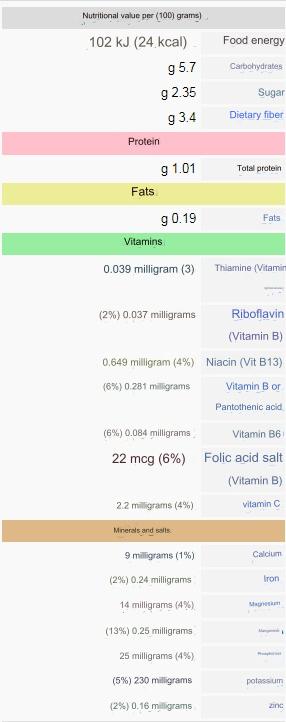
Rich in dietary fiber, which slows down digestion.
Helps control blood sugar spikes after meals.
Low in carbohydrates and calories.
2. Reduces Cholesterol Levels
Eggplants contain soluble fiber, which:
Binds to cholesterol in the digestive system.
Prevents its absorption into the bloodstream.
Helps reduce LDL (bad cholesterol) levels.
3. Prevents Cancer
Eggplants are loaded with antioxidants, including:
Nasunin (a powerful anthocyanin found in the purple skin).
Vitamin C and polyphenols, which:
Protect cells from oxidative stress.
Reduce DNA damage.
Lower risk of tumor formation.
4. Soothes the Nerves
A 1993 study published in the New England Journal of Medicine reported that:
Eggplant contains small but measurable amounts of nicotine.
This natural nicotine may have a mild calming and soothing effect on the nervous system (though not addictive or harmful in typical dietary amounts).
5. Helps with Hypertension
Eggplant contains potassium, a mineral that:
Regulates fluid balance in the body.
Reduces the effects of sodium.
Helps in lowering high blood pressure.
6. Acts as a Natural Aphrodisiac
In ancient Indian (Ayurvedic) medicine, eggplant was used for:
Enhancing sexual desire.
Boosting libido and energy.
Supporting hormonal balance and vitality.
7. Improves Skin and Hair Health
Eggplants are rich in:
Vitamins A, C, E, and B-complex.
Water (over 90% content).
Minerals like zinc and iron.
These help:
Hydrate and clear the skin.
Fight wrinkles and premature aging.
Nourish hair follicles, promoting strong and shiny hair.
Reduce scalp dryness and hair fall.
🟣 Summary:
Eggplant isn’t just a kitchen favorite — it’s a natural remedy for diabetes, heart health, blood pressure, skin care, and even mood enhancement. A true superfood in every sense!

🍆 All About Eggplant: Cooking, Consumption, and Cultivation
👨🍳 Cooking Eggplant
Eggplant is not eaten raw due to its naturally bitter taste and spongy texture.
However, it becomes soft, flavorful, and rich once cooked properly.
✨ Chef’s Tip:
After slicing, soak the pieces in salted water for 15–30 minutes.
This helps:Remove the bitterness.
Reduce oil absorption during frying or sautéing.
🍽️ How to Eat Eggplant (Consumption)
Eggplant is a staple ingredient in many traditional and modern dishes.
It can be fried, grilled, baked, or boiled, and it’s known for absorbing flavors beautifully.
🌟 Popular Dishes:
Moussaka (Middle Eastern/Greek baked eggplant with meat and béchamel)
Makdous (pickled stuffed eggplant)
Maqluba (upside-down rice with eggplant)
Fatteh with eggplant (layered dish with yogurt and bread)
Mutabal (creamy eggplant dip)
Shakshuka with eggplant
Pickled eggplant and even eggplant jam in some cultures!
🌱 How to Grow Eggplant (Agriculture)
Eggplant is a warm-weather crop that needs sunlight, fertile soil, and plenty of water.
Steps for Cultivation:
Sowing the Seeds:
Use sandy, well-fertilized soil with decomposed organic compost.
Plant seeds in early spring in sunny spots.
Transplanting:
Once seedlings reach about 41 cm (16 inches) in height, move them to the field.
Place plants in rows, with 1 meter spacing between each plant.
Watering:
Irrigate 3 times a week or as needed based on climate.
Maintenance:
Prune all weak or extra branches.
Keep only the main stem and two healthy branches.
Remove rotten or yellow leaves regularly.
Keep the soil weed-free and loose.
Pro Tip: Eggplant thrives when cared for like a vine—strong stem, healthy sunlight, and regular trimming = abundant yield!